Join the #1 community for gun owners of the Northwest
We believe the 2nd Amendment is best defended through grass-roots organization, education, and advocacy centered around individual gun owners. It is our mission to encourage, organize, and support these efforts throughout Oregon, Washington, Idaho, Montana, and Wyoming.
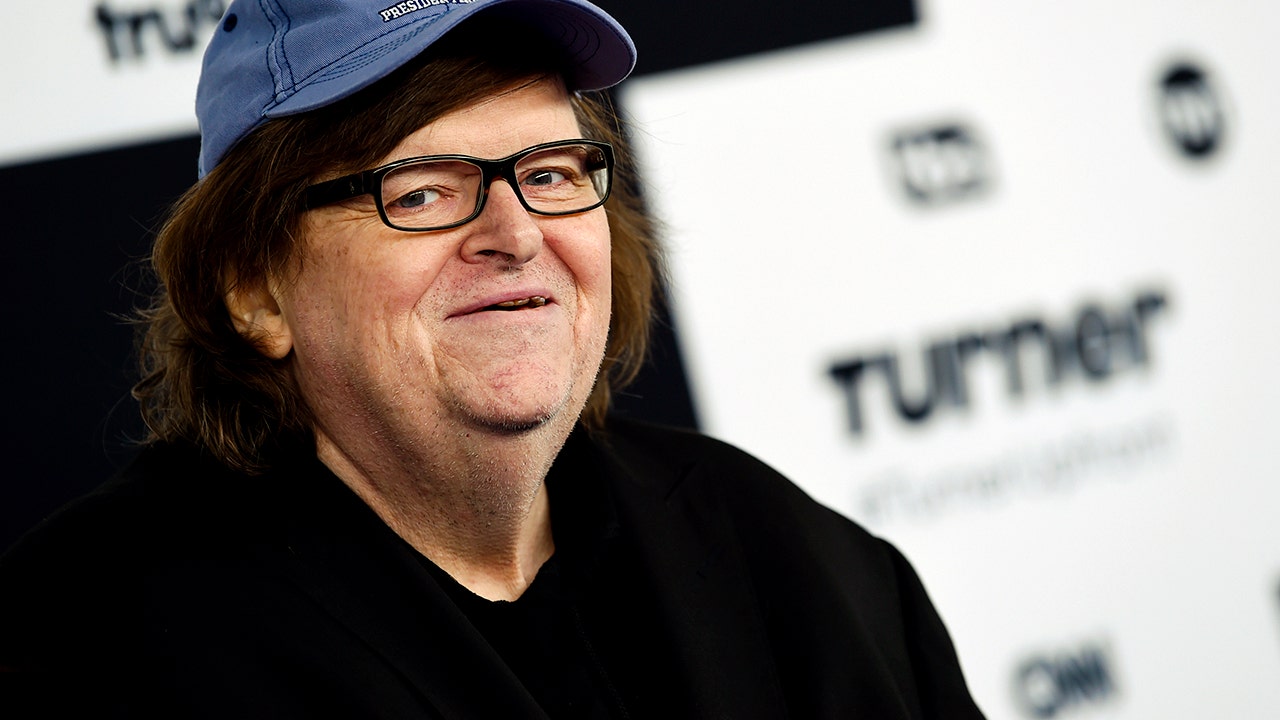
Liberal filmmaker Michael Moore wrote a congressional proposal to repeal the Second Amendment with a "28th Amendment" on his Substack account on Sunday.
Simple fix:
0: Nullify the 1A
1. Declare him an enemy of the state.
2. Revoke his citizenship.
3. Deport him.
4. Never allow him to enter the country again.
What does that have to do with the first amendment? he's free to say whatever he wants, what he is not free to do is up end the constitution because if his particular ideological beliefs.
That's the saying "If you don't like it pack up and get the f_uck out"
What does that have to do with the first amendment? he's free to say whatever he wants, what he is not free to do is up end the constitution because if his particular ideological beliefs.
That's the saying "If you don't like it pack up and get the f_uck out"
Lolz, no, that is literally the process for changing the Constitution as laid out IN the Constitution. By that "not allowed" logic almost all of the post OG Ten Amendments wouldn't be allowed
Well, it's great to advocate for what you want, but the point of living together under the rule of law is that the law isn't applied subjectively to avoid government oppression. That protection cuts both ways, and a subjective reading of the 2A is what makes gun enthusiasts feel constantly attacked. You can't have the Amendments without having the other parts of the Constitution that delegate power to the coordinate branches of government. Article 3 delegates the power to the courts to decide what the words of the Constitution and other laws mean objectively. A protection we all benefit from is the that one (or a few) government officials or lawmakers subjective interpretation of the language that limits our rights can't be subjectively applied. Unfortunately, the objective interpretation of what the law means may not be what we want as individuals.
My point is any one of us declaring what the 2A means doesn't make it so, and that principle applied to all other written rights and laws generally protects our freedom from tyrrany. Right now the past decisions and general lean of the US Supreme Court gives citizens more protection for the right to bear arms than they've ever had in the United States.
When the 2nd amendment was written, was there any confusion about what it meant? Seems like the people who wrote it, knew what they meant. Did they mean that the government could pass increasingly restricting laws on that right. Weird way for them to say that with "shall not be infringed."
Well, he is renouncing his citizenship, so how can he have any input on a constitution that he is declaring doesn't apply to him?
Also, he said in another interview that he won't shut up about abortion, so which is it?
Maybe just charge him with conspiracy for something and put him in solitary confinement for however long it takes like some other DC protestors. We can find a fitting crime, just give us time...
Lolz, no, that is literally the process for changing the Constitution as laid out IN the Constitution. By that "not allowed" logic almost all of the post OG Ten Amendments wouldn't be allowed
Well, he is renouncing his citizenship, so how can he have any input on a constitution that he is declaring doesn't apply to him?
Also, he said in another interview that he won't shut up about abortion, so which is it?
Maybe just charge him with conspiracy for something and put him in solitary confinement for however long it takes like some other DC protestors. We can find a fitting crime, just give us time...
When the 2nd amendment was written, was there any confusion about what it meant? Seems like the people who wrote it, knew what they meant. Did they mean that the government could pass increasingly restricting laws on that right. Weird way for them to say that with "shall not be infringed."
BUT, But, but.....
According to the LEFT......
In order to reflect the changing nature of America's values. The Constitution was/has been revised.
"A well regulated militia being necessary to the security of a free State, the right of the People to keep and bear arms shall not be infringed, unless some Politician says it's reasonable and makes common sense to them."
And, that also goes for the 1st A.
"Congress shall make no law respecting an establishment of religion, or prohibiting the free exercise thereof; or abridging the freedom of speech, or of the press; or the right of the people peaceably to assemble, and to petition the Government for a redress of grievances, unless someone claims to be offended by your practice thereof."
When the 2nd amendment was written, was there any confusion about what it meant? Seems like the people who wrote it, knew what they meant. Did they mean that the government could pass increasingly restricting laws on that right. Weird way for them to say that with "shall not be infringed."
They said the same things about free speech in the first amendment too (which, I believe is even more important and fundamental of a right), but there are some pretty reasonable legislative and court set limits on that right too, like laws against inciting a riot, fraud, slander, and the classic prohibition on shouting "fire" in a crowded theater. Freedom of/from religion isn't absolute either: one can't use the mechanisms of government and commerce to impose one's religious views on others, even if the adherent's religion requires them to prostletyze to or discriminate against others. There are limits to all the rights granted in the various constitutional amendments. Typically the tension is where government, in the interest of preserving the peace and rights of others, makes laws that might limit those rights to prevent sone individuals "rights" from interfering with competing rights of others in the community at large. Without ANY limits, then we have anarchy, and as punk rock as that sounds: our "freedom" would be limited by the need to be hypervigilant for our security. As to firearms, there are some appropriate limits, as Justice Scalia said in Heller but they haven't been fully flushed out yet.
To be the Devil's advocate in this instance, your argument suggests that we know what was in the Framer's minds when the Amendment passed. It could be they passed it knowing that a skilled marksman at the time MIGHT be able to get off one shot every 30 seconds with a musket, which seemed reasonable for self defense purposes or defending oneself against animals encountered on the frontier. If they were considering possible criminal mischief when drafting it, they might have reasoned that a well armed and skilled individual with a loaded rifle, two pistols and a good aim might be able to kill 3 people in short order and found that was an acceptable risk to ensure that the vast majority of people could defend themselves. Surely they knew that for most person on person crime at that time the likely weapons that would be used would be bladed weapons or weapons that would amplify blunt force. They really might have thought something else if they knew a criminal armed with a commonly accessible firearm could kill 15 fellow citizens in less than a minute, right? We just don't know for sure.
Yeah.....where else in the world does this exist.... where there's more than 1 firearm for each counted US Citizen, and where there's literally billions of rpunds of ammunition in private hands....
Honestly, if Americans "can't handle guns"; we'd have 100 million+ shootings a year
They said the same things about free speech in the first amendment too (which, I believe is even more important and fundamental of a right), but there are some pretty reasonable legislative and court set limits on that right too, like laws against inciting a riot, fraud, slander, and the classic prohibition on shouting "fire" in a crowded theater. Freedom of/from religion isn't absolute either: one can't use the mechanisms of government and commerce to impose one's religious views on others, even if the adherent's religion requires them to prostletyze to or discriminate against others. There are limits to all the rights granted in the various constitutional amendments. Typically the tension is where government, in the interest of preserving the peace and rights of others, makes laws that might limit those rights to prevent sone individuals "rights" from interfering with competing rights of others in the community at large. Without ANY limits, then we have anarchy, and as punk rock as that sounds: our "freedom" would be limited by the need to be hypervigilant for our security. As to firearms, there are some appropriate limits, as Justice Scalia said in Heller but they haven't been fully flushed out yet.
To be the Devil's advocate in this instance, your argument suggests that we know what was in the Framer's minds when the Amendment passed. It could be they passed it knowing that a skilled marksman at the time MIGHT be able to get off one shot every 30 seconds with a musket, which seemed reasonable for self defense purposes or defending oneself against animals encountered on the frontier. If they were considering possible criminal mischief when drafting it, they might have reasoned that a well armed and skilled individual with a loaded rifle, two pistols and a good aim might be able to kill 3 people in short order and found that was an acceptable risk to ensure that the vast majority of people could defend themselves. Surely they knew that for most person on person crime at that time the likely weapons that would be used would be bladed weapons or weapons that would amplify blunt force. They really might have thought something else if they knew a criminal armed with a commonly accessible firearm could kill 15 fellow citizens in less than a minute, right? We just don't know for sure.
We do know for sure, there are many writings about what the founders believed about the importance of an armed citizenry - there are quoted attributed to them about it.
They had crime back then… they had cannons, black powder, "weapons of war."
It's really narcissistic to think that the people who lived then didn't consider these things.
They said the same things about free speech in the first amendment too (which, I believe is even more important and fundamental of a right), but there are some pretty reasonable legislative and court set limits on that right too, like laws against inciting a riot, fraud, slander, and the classic prohibition on shouting "fire" in a crowded theater. Freedom of/from religion isn't absolute either: one can't use the mechanisms of government and commerce to impose one's religious views on others, even if the adherent's religion requires them to prostletyze to or discriminate against others. There are limits to all the rights granted in the various constitutional amendments. Typically the tension is where government, in the interest of preserving the peace and rights of others, makes laws that might limit those rights to prevent sone individuals "rights" from interfering with competing rights of others in the community at large. Without ANY limits, then we have anarchy, and as punk rock as that sounds: our "freedom" would be limited by the need to be hypervigilant for our security. As to firearms, there are some appropriate limits, as Justice Scalia said in Heller but they haven't been fully flushed out yet.
To be the Devil's advocate in this instance, your argument suggests that we know what was in the Framer's minds when the Amendment passed. It could be they passed it knowing that a skilled marksman at the time MIGHT be able to get off one shot every 30 seconds with a musket, which seemed reasonable for self defense purposes or defending oneself against animals encountered on the frontier. If they were considering possible criminal mischief when drafting it, they might have reasoned that a well armed and skilled individual with a loaded rifle, two pistols and a good aim might be able to kill 3 people in short order and found that was an acceptable risk to ensure that the vast majority of people could defend themselves. Surely they knew that for most person on person crime at that time the likely weapons that would be used would be bladed weapons or weapons that would amplify blunt force. They really might have thought something else if they knew a criminal armed with a commonly accessible firearm could kill 15 fellow citizens in less than a minute, right? We just don't know for sure.
If our Supporting Vendors don't have what you're looking for, use these links before making a purchase and we will receive a small percentage of the sale